COLT AI

How Camera-Based Fire and Smoke Detection Works

Learn about video analysis, event rules, visual evidence and field assessment through COLT AI examples.

Camera-based fire and smoke analysis evaluates signs visible in video. Project assessment considers camera views, environmental conditions, event definitions and how teams will review those events. COLT AI brings these steps together in one platform workflow.
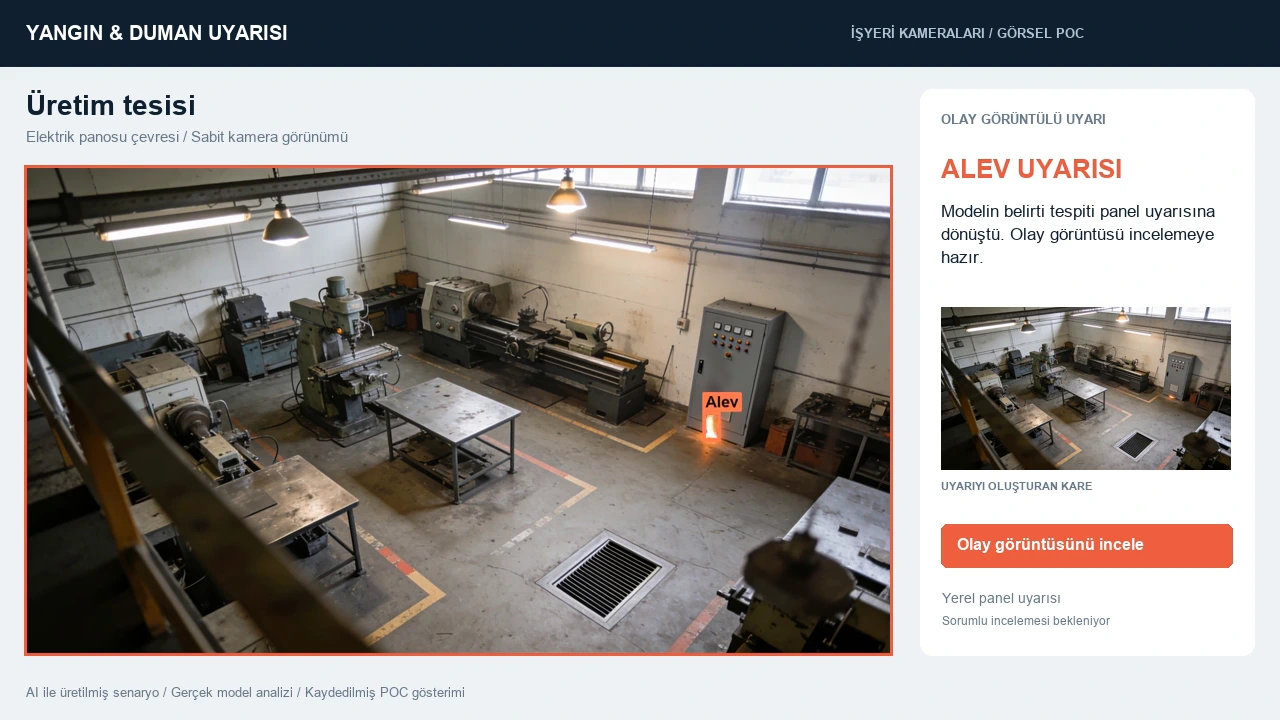
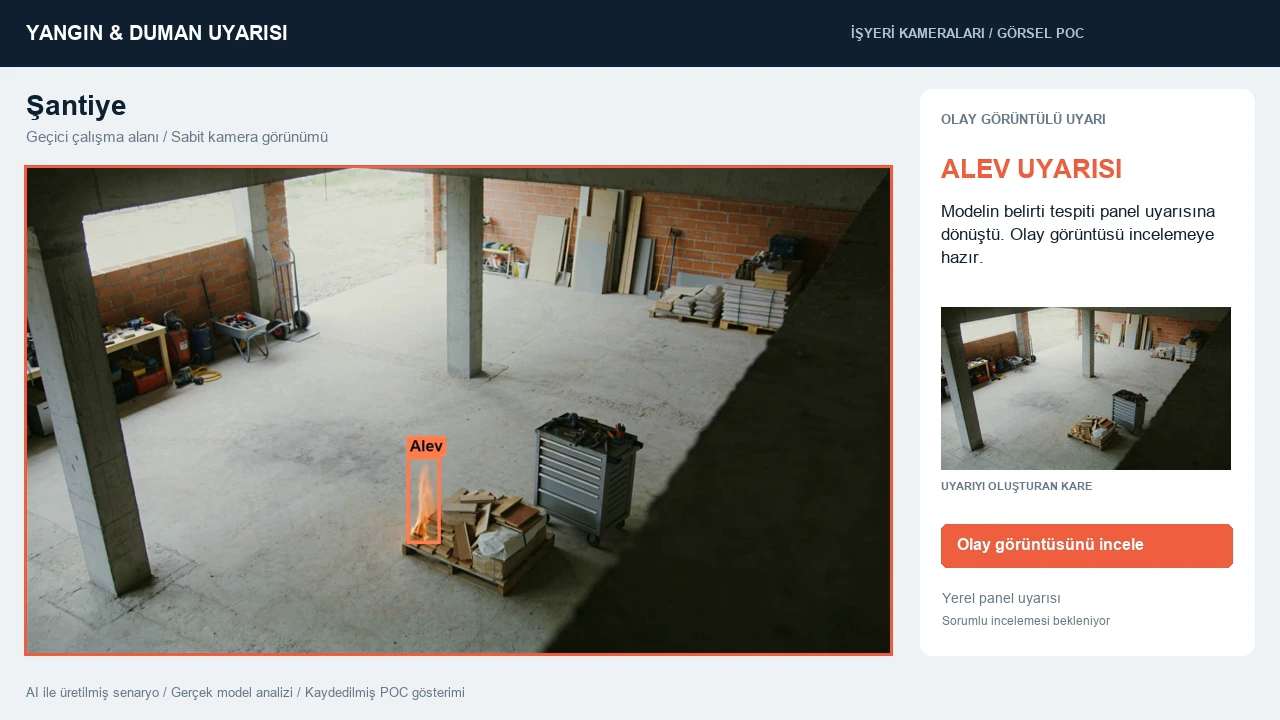
Factory Flame Detection and Fire Alert

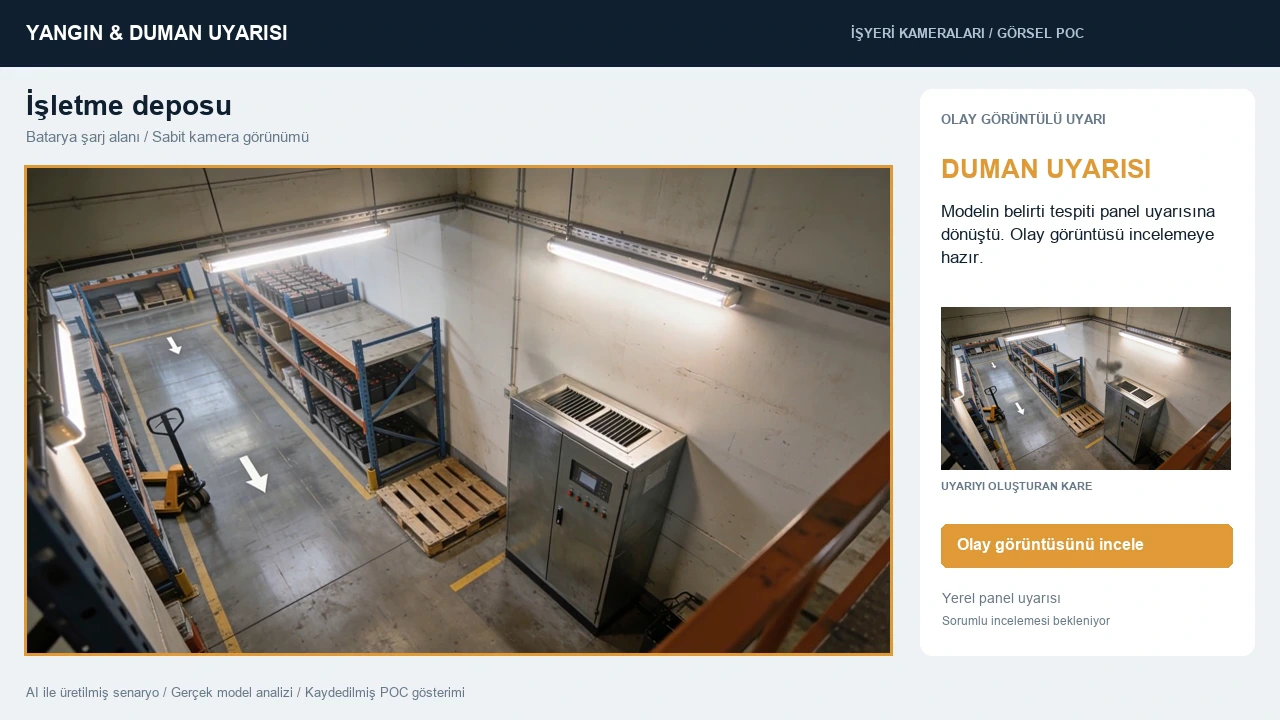
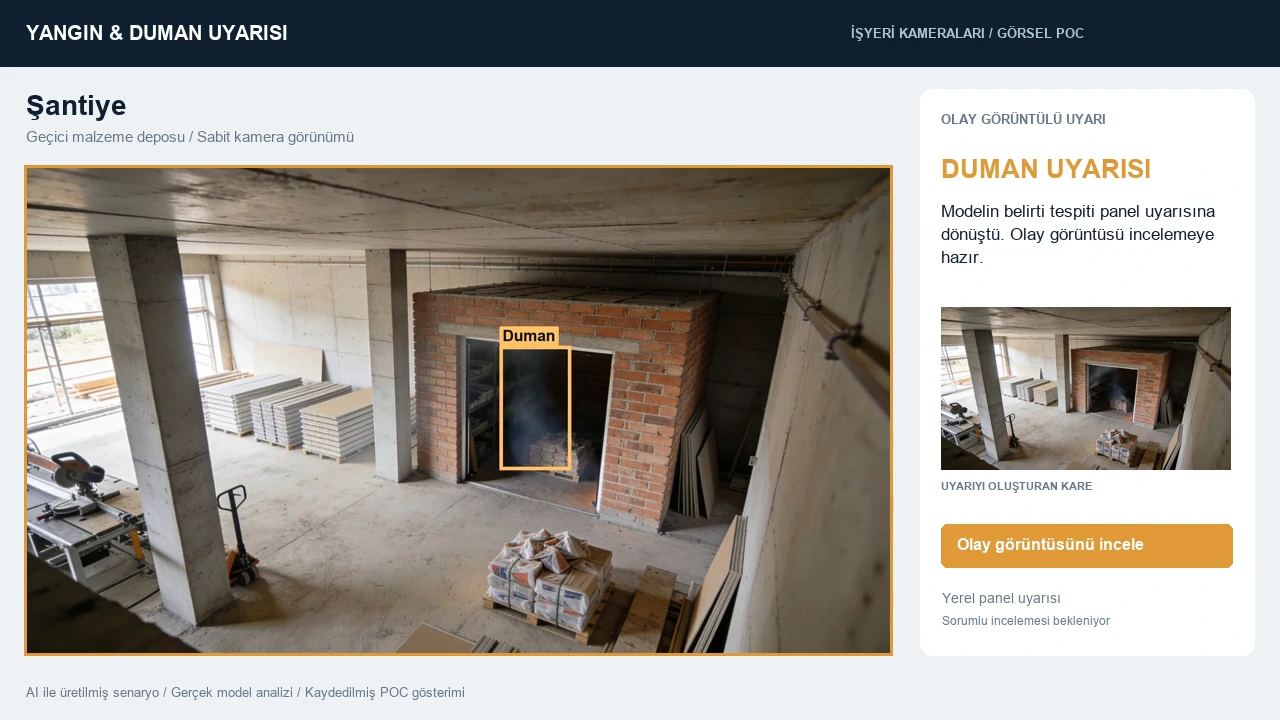
AI-generated scenario · Actual model analysis · Recorded proof-of-concept demonstration
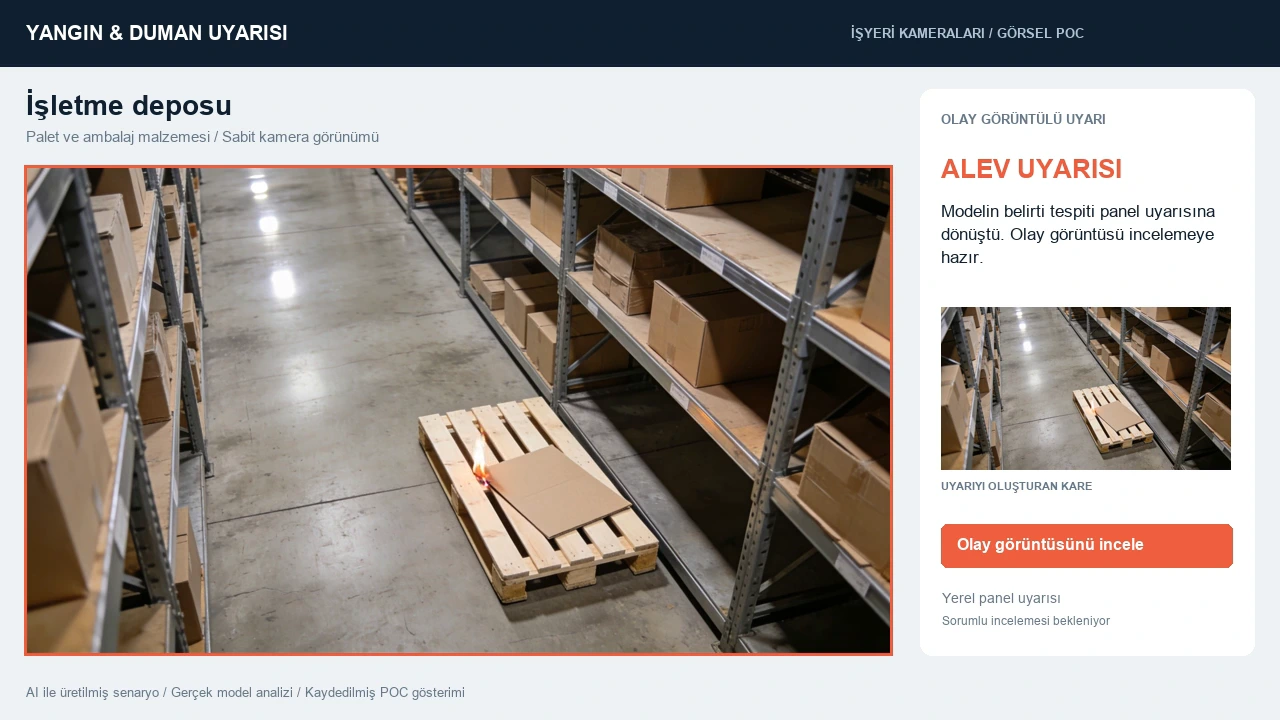
From Detection to Visual Event Records

Fire and smoke analysis works within COLT AI's shared camera, rule and event management.

01

Camera and field of view

Compatibility, viewing angle and image quality of existing IP camera or NVR streams are assessed at the start of the project.

02

Flame and smoke analysis

The model evaluates visible flame and smoke while retaining camera and region context.

03

Region and event rules

Monitored areas and event conditions are configured for the project, taking normal site behavior into account.

04

Evidence, review and notification

Time-stamped events and related imagery can be reviewed in the dashboard and routed to the relevant team according to configuration.

COLT AI

Connect Demonstration and Field Assessment

Factory, warehouse and construction examples explain detection output and alert views. These POC recordings are not field performance measurements. Project samples are assessed across lighting, normal steam or dust, occlusion and camera angles, with acceptance criteria defined from those observations.

Information to Prepare Before a Demo

  • Monitored areas, camera count and camera/NVR infrastructure
  • Viewing angles, lighting and normal steam/dust sources
  • Desired event conditions and the team receiving notifications
  • Data retention policy and On-Premise/Edge/hybrid preference